From Open Models to Personal Clouds: Olares at BEYOND Expo Macau

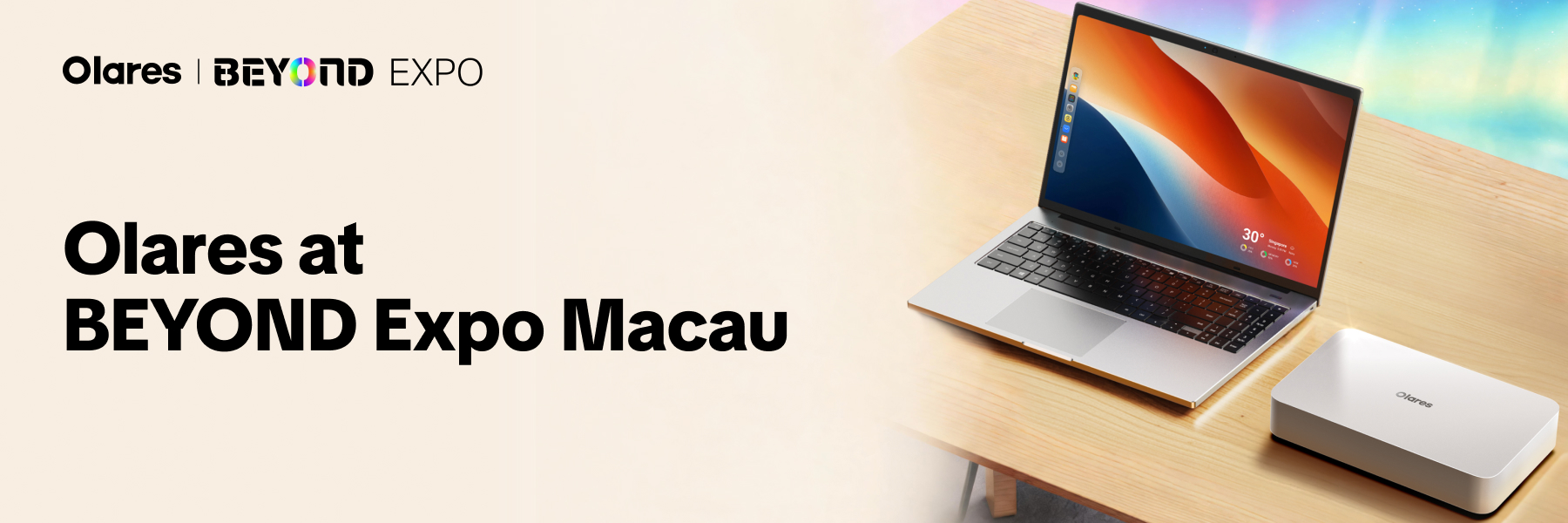
BEYOND Expo Macau 2026 with 30,000 attendees brought together an unusually concentrated mix of builders, sellers, system integrators, AI practitioners, and ecosystem connectors. For Olares, the most valuable part of the week was not just booth traffic, stage time, or the formal agenda. It was the conversations that happened around the booth, after the sessions, and at the evening gatherings where people were direct about what they were trying to build, sell, deploy, or integrate.
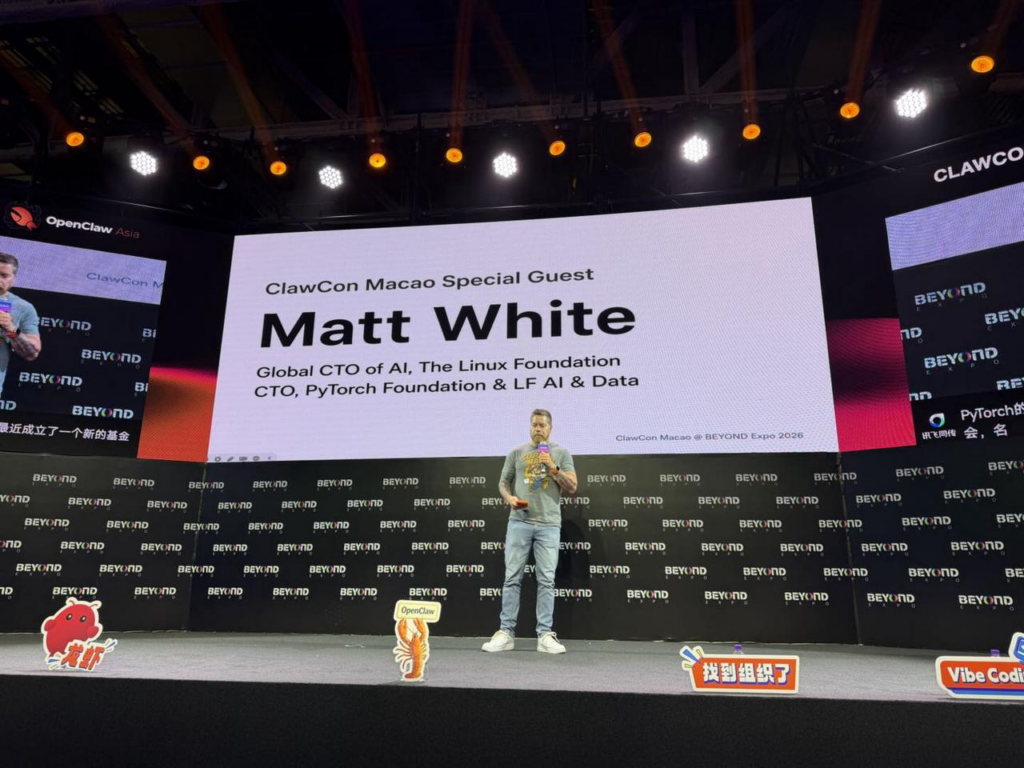
One of the highlights was re-connecting after 2 years with Matt White, CTO of The Linux Foundation, to discuss open model licensing and what an open source operating system for AI infrastructure could look like when running on user-controlled hardware.
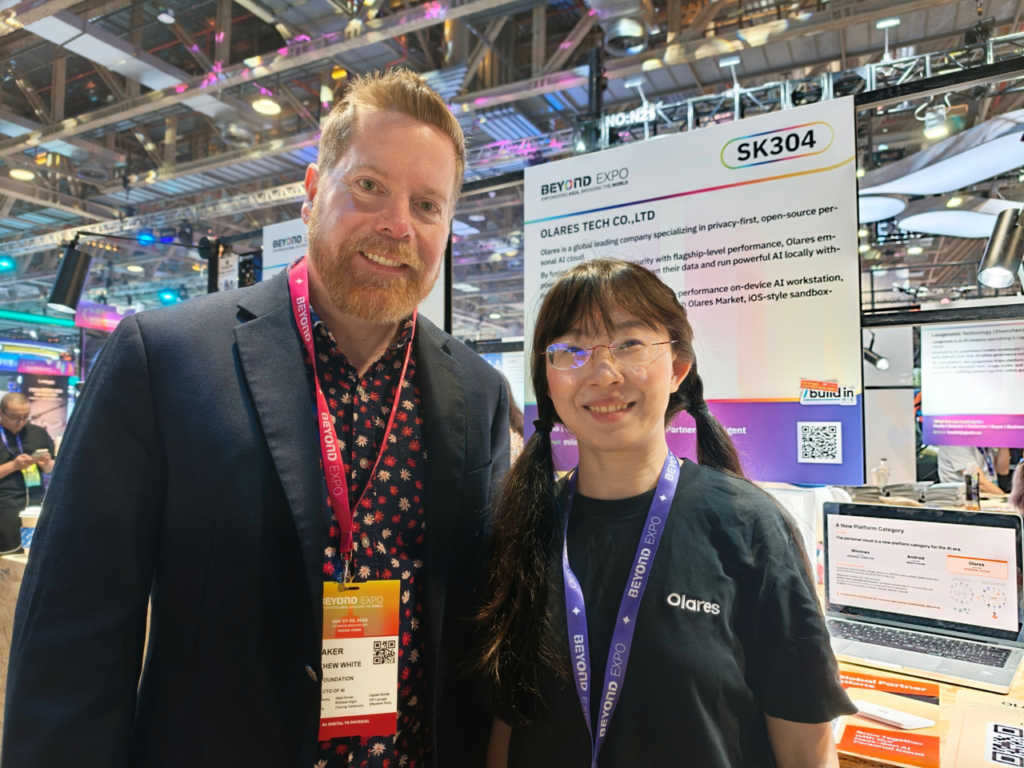
The Linux Foundation has just released OpenMDW-1.1, an open licensing framework designed specifically for AI model distributions that NVIDIA plans to adopt. Traditional software licenses were not designed for that full composition, which is why the industry needs model-centric legal infrastructure that gives developers and companies clearer rights to train, modify, redistribute, and deploy open models.
For Olares, this is a sign that the open AI stack is maturing from scattered experiments into deployable infrastructure, bringing up the next critical questions: where those models should run, where the data should live, and who should control the environment. Answering these exact questions and showcasing a tangible solution is precisely what brought us to the expo.
Why Olares Was at BEYOND
Olares is an open-source personal cloud operating system designed for people and organizations that want to own their AI by owning their data. Instead of depending entirely on centralized cloud services, Olares lets users run AI agents, open models, private knowledge bases, self-hosted applications, and file services on hardware they control. The Olares project is built around local-first computing, open-source software, and a practical application ecosystem that makes powerful AI and self-hosting tools easier to deploy.
At BEYOND, in the audience are founders, AI application teams, hardware channel people, service providers, and regional business connectors. That made it a useful event for Olares, because the most promising conversations were about deployment rather than hype.
| Conversation Type | What We Heard at BEYOND | Why It Matters for Olares |
| AI builders | Teams are experimenting with personal agents, OpenClaw/Hermes-style workflows, and local AI stacks. | These builders need reliable hardware and an OS layer that can run agents and models close to private data. |
| System integrators | Several attendees are already delivering Mac mini-based or custom software-plus-hardware solutions to clients. | Olares can offer a more purpose-built alternative for partners who want a packaged local AI appliance. |
| Hardware ecosystem partners | Some potential partners are looking for AI-ready edge devices and GPU-backed systems that can be sold with software value. | Olares One and Olares Enterprise can become the software-defined layer for AI hardware partnerships. |
| Professional services buyers | Finance, legal, and cross-border business communities showed interest in private AI deployment. | These sectors care about privacy, control, and compliance-sensitive workflows where local-first AI is compelling. |
Olares One and Olares Enterprise
Olares One is a dedicated hardware device pre-installed with OlaresOS. It is positioned as a local desktop AI powerhouse: a personal cloud server for running open models, AI agents, private knowledge bases, self-hosted applications, media services, and developer environments from a device the user controls. Olares One is designed for local-first AI workflows, including tools such as Ollama, ComfyUI, Open WebUI, Dify-style private knowledge bases, and other open-source applications available through the Olares ecosystem.
For enterprise and partner-led deployments, we are also introducing Olares Enterprise, starting at USD 30,000. This is designed for customers and system integrators who need a complete package rather than a DIY setup: hardware, Olares software, deployment support, and a path toward private AI workloads that can be delivered to professional clients.
This is especially relevant for the types of people we met in Macau. One contact from Hong Kong is already delivering Mac mini devices bundled with his own software as a full-stack solution. Another Shanghai-based Finnish-Chinese partner is helping clients deploy OpenClaw and said that if customers need dedicated hardware, Olares could be a strong option. These are exactly the kinds of partners we want to work with: people who understand customer pain points, already deliver systems, and need a stronger AI hardware and operating system foundation.
Call for Partners
Olares is looking for partners across three categories.
| Partner Category | Ideal Partner Profile | Collaboration Opportunity |
| Hardware partners | GPU vendors, workstation builders, edge AI device makers, and AI PC ecosystem companies. | Bundle Olares with AI-ready hardware and bring local AI to users who want ownership and privacy. |
| System integrators | Teams already delivering private AI, agent workflows, Mac mini-based solutions, or client-specific AI infrastructure. | Use Olares One or Olares Enterprise as a more complete appliance layer for customer delivery. |
| Regional channel partners | Partners with access to professional services, finance, legal, education, and developer communities | Sell and support Olares hardware and enterprise packages |
We are building for developers, AI builders, privacy-conscious professionals, and organizations that want the benefits of AI without surrendering their data or infrastructure choices to centralized platforms. A smaller and more affordable Olares hardware option is also on the roadmap for the coming months, which will make partner-led distribution even more accessible.
From Open Licensing to Owned AI
The OpenMDW announcement is an important milestone because it gives the open model ecosystem clearer legal rails. NVIDIA’s planned adoption makes that signal even stronger. But open AI needs more than licenses. It needs places to run, data environments to learn from, and devices that users and organizations can actually own.
That is the bridge Olares wants to build. NVIDIA is also giving a talk at Olares’ AI Agent Night Taipei meetup during GTC Taipei and ComputeX.
If you are building AI agents, deploying private AI for clients, selling AI hardware, or looking for a local-first operating system layer for open models, we would love to talk.